
This article is based on an interview of Kim Brand, the Founder and President of 1st Maker Space. You can listen on YouTube or download here.
In a rapidly evolving world, traditional educational models are increasingly challenged to meet future workforce demands. One innovative solution is 3D printing and makerspaces, which have been gaining traction as powerful tools for fostering students’ creativity, problem-solving skills, and a growth mindset.
At the forefront of this movement is 1st Maker Space, an organization led by president and owner Kim Brand. In an insightful interview on the “Who Gets What” podcast, which can be listened to here, Brand reveals how his organization has successfully integrated this technology into schools across five states and reached around 100,000 students.
The heart and soul behind 1st Maker Space go beyond teaching technical skills; it’s about nurturing resilience, adaptability, and an egalitarian approach to education. By creating spaces where students can engage in hands-on learning experiences that mirror real-world scenarios, these innovative classrooms are shaping the future of education for a more equitable society.
As we delve deeper into how these transformative environments empower today’s learners to become tomorrow’s problem solvers and entrepreneurs, it becomes clear that embracing such shifts is crucial to preparing our youth for success in an ever-changing landscape.
Evolution of 3D Printing
3D printing has evolved from high-end industrial applications to be one of the cornerstones of educational innovation in makerspaces.
As 3D printing technology advances, it is becoming more prevalent in various industries, such as manufacturing and construction. The transformative potential of 3D printing lies in its ability to produce complex objects and its capacity to democratize access to advanced manufacturing tools, empowering individuals and communities alike.
Brand’s journey with 3D printing mirrors this evolution. An anecdote worth noting is Brand’s use of 3D printing to create a spacer for a bench at home. Not only did this experience showcase the practical application of 3D printing, but it also illustrated the satisfaction of coming up with solutions to real-world problems.
The versatility of 3D printing extends beyond traditional manufacturing sectors; it is also making waves in the construction industry. Rapid advancements in 3D printing technology have made it possible to construct homes and buildings faster than ever before while reducing waste and lowering costs.
Brand highlights a project in Martindale Brightwood in Indianapolis, IN, where a non-profit organization fundraises to purchase machines capable of building homes using this revolutionary technique. This specific example underscores the broad applications of 3D printing technologies and the influence of 1st Maker Space in utilizing them.
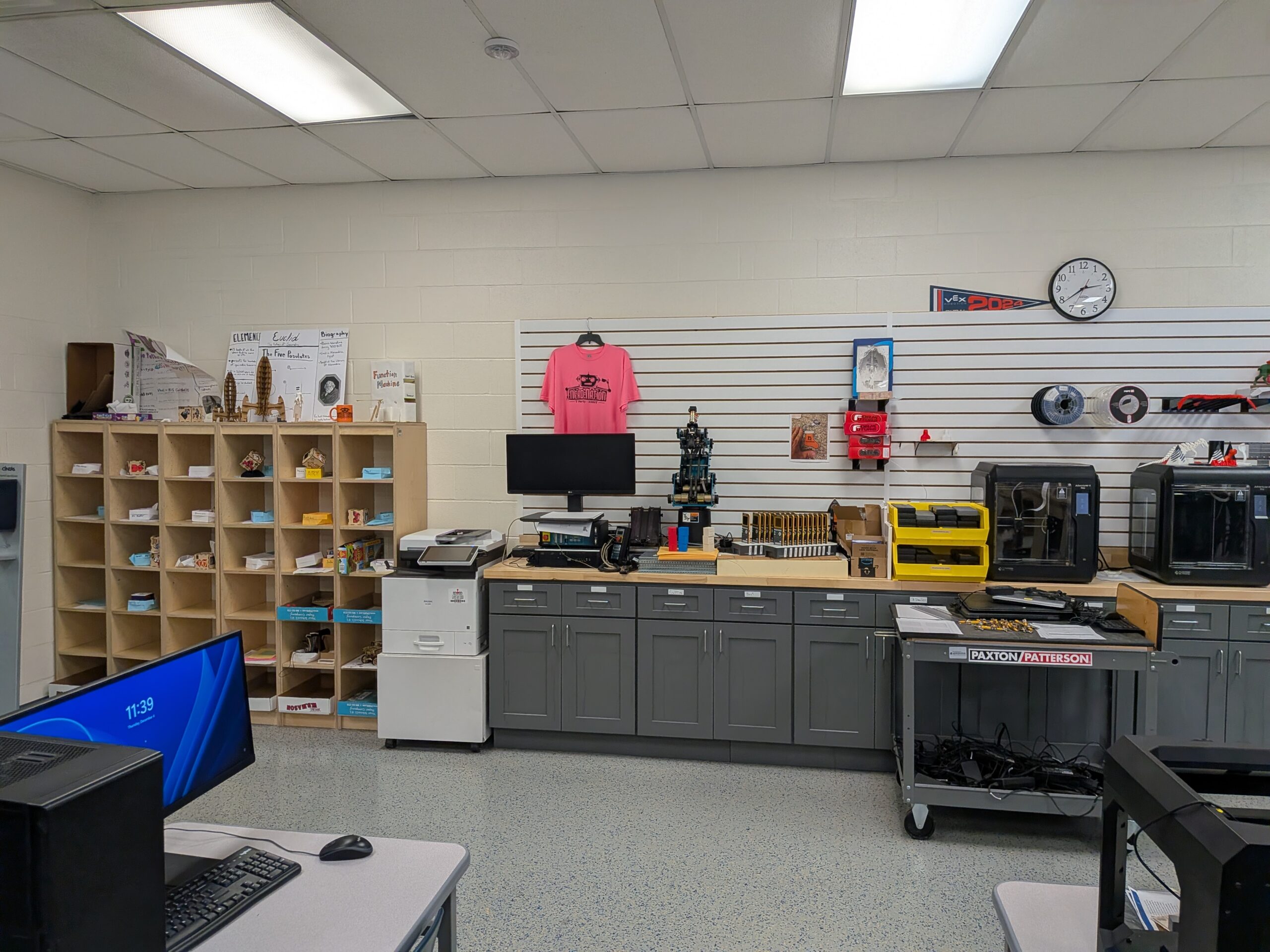
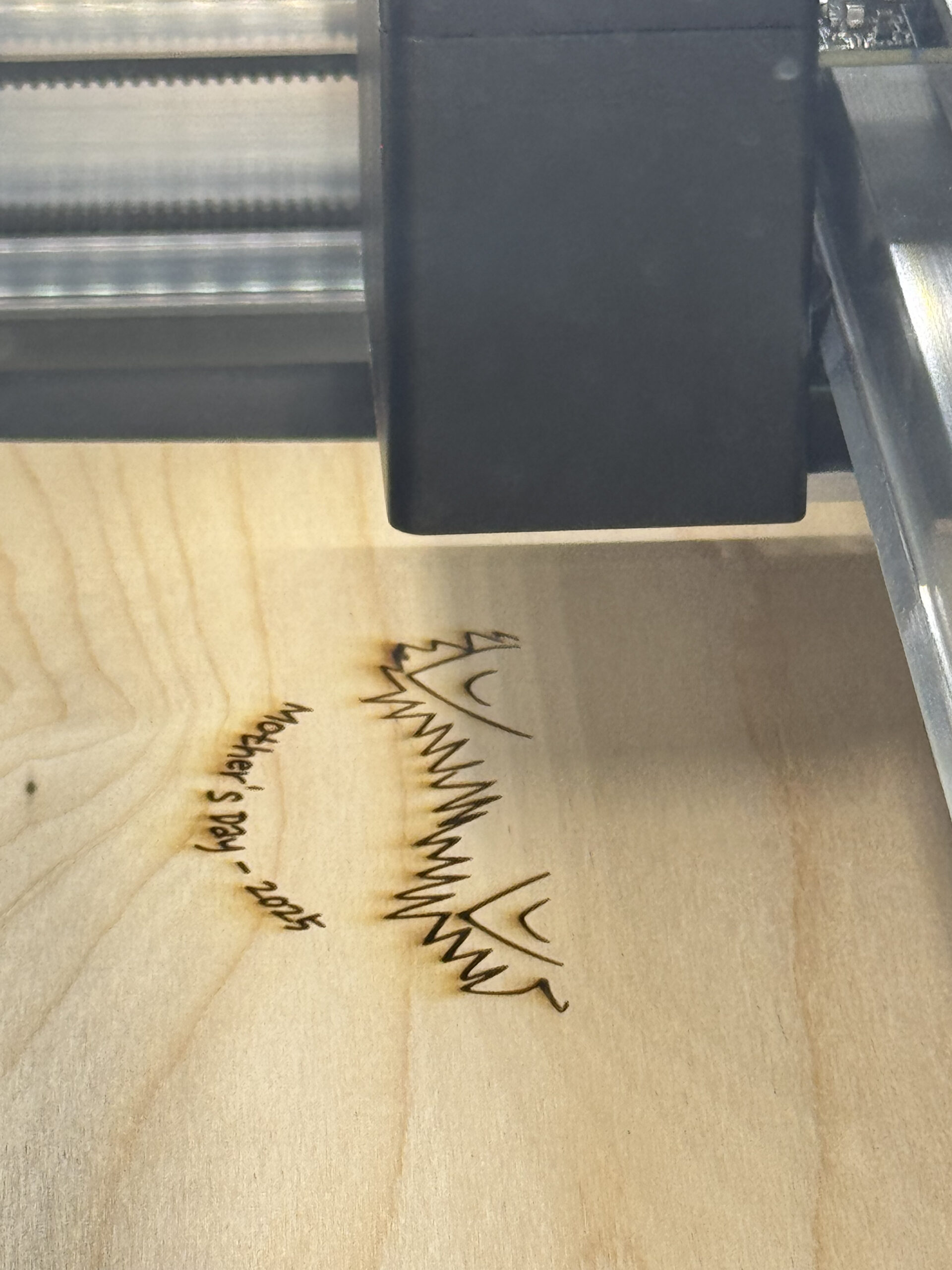
As educators continue to recognize the value of incorporating hands-on learning experiences into their curricula through makerspaces equipped with cutting-edge technologies like 3D printers, students gain valuable skills that prepare them for future endeavors within and beyond the realm of STEM.
Makerspaces and Entrepreneurship
There is an undeniably close link between makerspaces and entrepreneurship. By providing an environment conducive to creativity and innovation, makerspaces have the potential to stimulate entrepreneurial thinking among students, encouraging them to be producers rather than mere consumers.
Brand notes that the skills students learn in these spaces are not confined to STEM fields but can also foster a spirit of entrepreneurship that can transfer to various sectors of society.
Egalitarian Approach to Education
Brand and his team at 1st Maker Space strongly believe in providing equal opportunities for all students, regardless of their socioeconomic background.
Several examples from different socioeconomic backgrounds, such as Noblesville High School, Hamilton Heights High School, Work One on Shalin, and Gary, clearly demonstrate how makerspaces can democratize learning and skill-building, bridging the socioeconomic divide that often exists in education.a
The traditional classroom model, where teachers dispense knowledge and students passively absorb it, is slowly being replaced with a more hands-on, student-centered approach.
In this new model, 1st Maker Space encourages students to switch roles from being mere consumers to becoming creators or makers. This way, students learn by doing, which many believe is more effective for preparing students for real-world scenarios.
Conclusion
1st Maker Space stands out for its innovative approach to education, but what truly sets it apart is its philosophy. While many organizations pursue wealth maximization, 1st Maker Space values personal fulfillment, pride in construction, and the satisfaction of creating something valuable.
In an era where change is the only constant, adapting and finding creative solutions to complex problems is critical. Through their makerspaces, 1st Maker Space equips today’s learners with the tools and mindset they need to thrive in an ever-changing world.
At 1st Maker Space, we’re on a mission to empower children to learn through doing. We believe that by providing makerspaces and engaging hands-on curriculum, we’re helping students discover a passion for learning that lasts a lifetime.
Our friendly and knowledgeable sales team is eager and ready to help you get started with a makerspace. Let’s discuss how we can support your organization in reaching its goals! From providing equipment and supplies to helping you develop a comprehensive makerspace strategy, we have the experience and expertise necessary to make it happen.
Join our community of educators and leaders building active Maker communities nationwide today!
Gain Exclusive Access to:
Gain Exclusive Access to:

Bri Wagner brings a bachelor’s degree in Elementary Education and nine years of classroom teaching experience to her role at 1st Maker Space. A former Teacher of the Year Award recipient, Bri is passionate about creating engaging, hands-on learning experiences that inspire student success. She understands the impact that innovative instruction and meaningful classroom resources can have on student achievement and is dedicated to partnering with educators to bring high-quality STEM solutions into classrooms. Bri is committed to empowering teachers and helping students develop the creativity, confidence, and problem-solving skills they need to thrive.