Indianapolis, Indiana
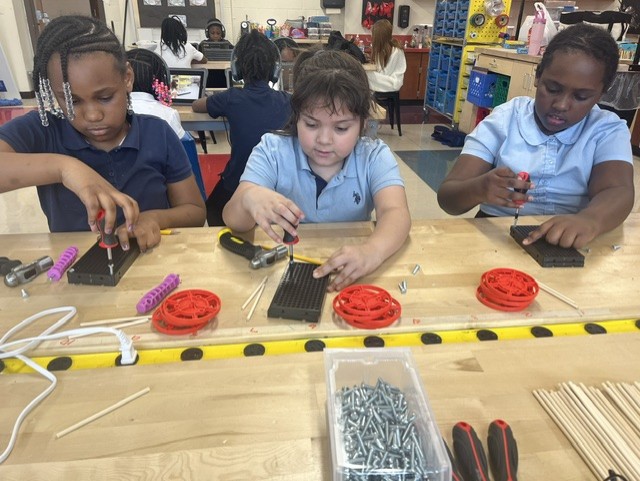
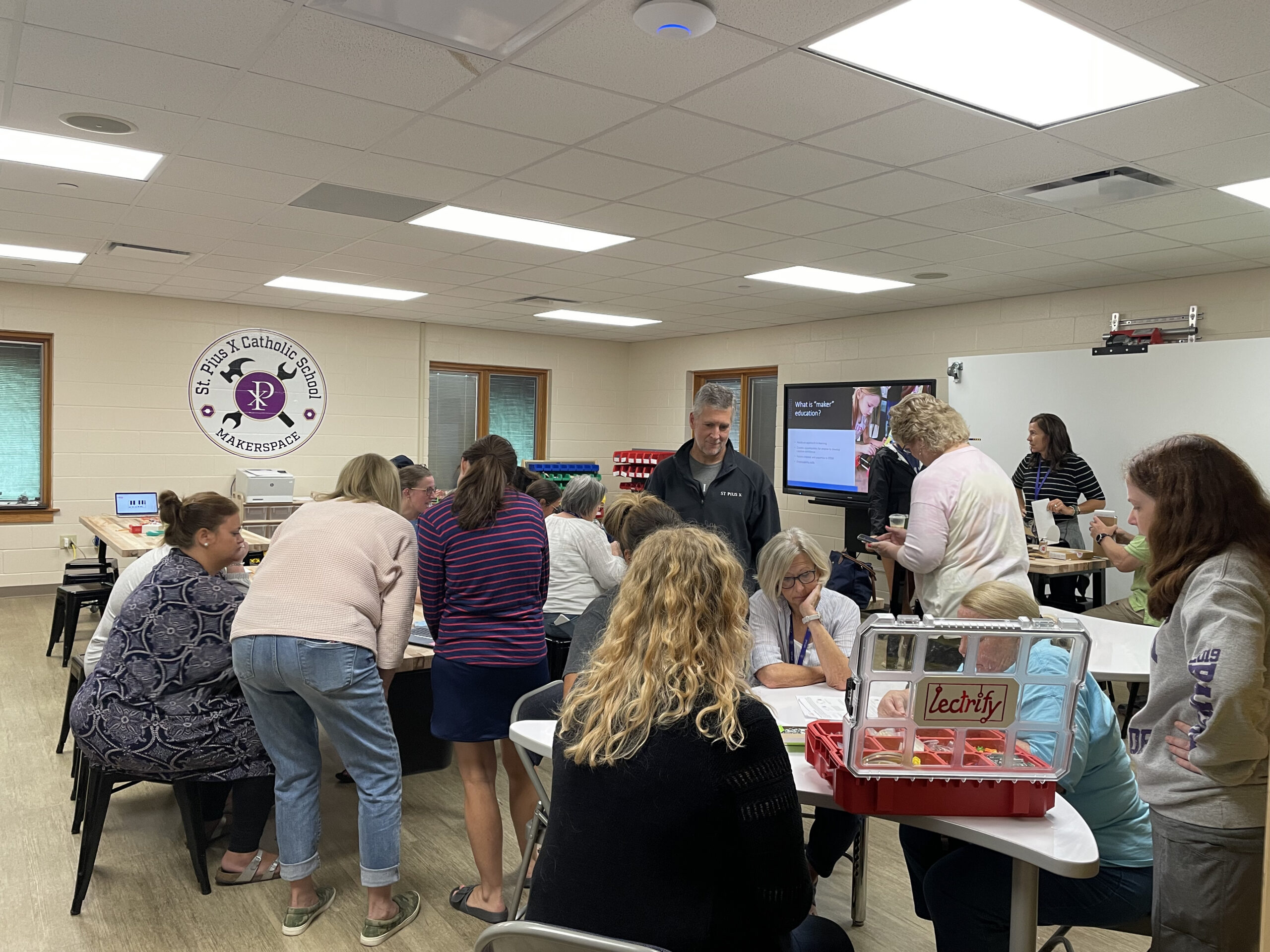
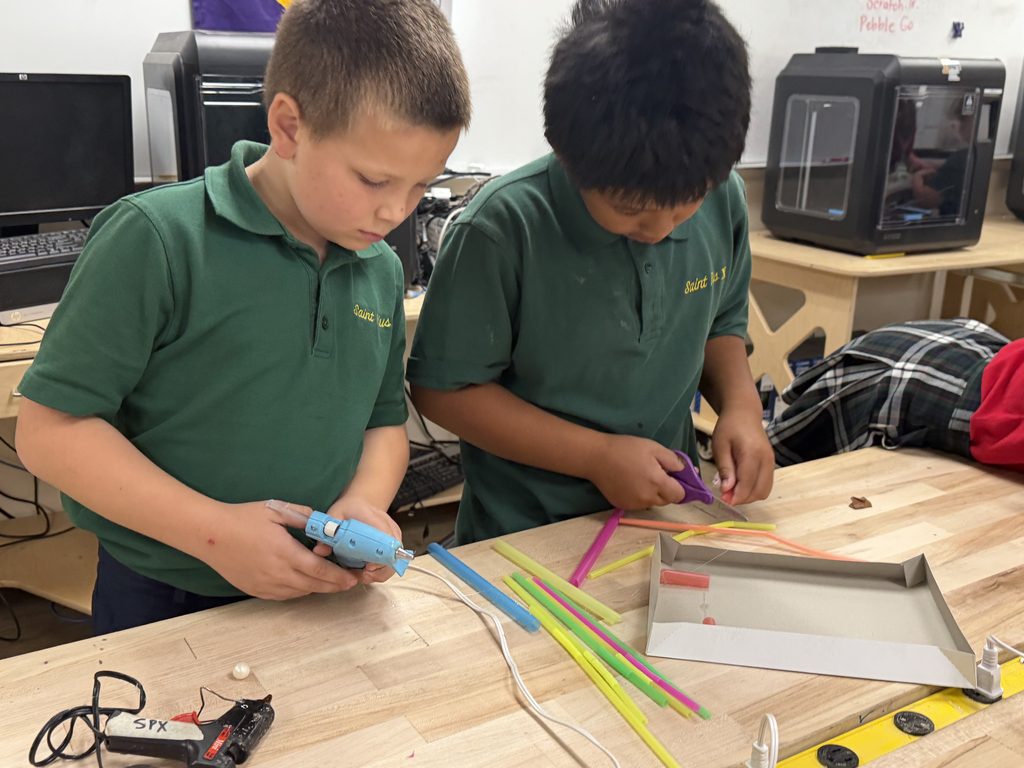
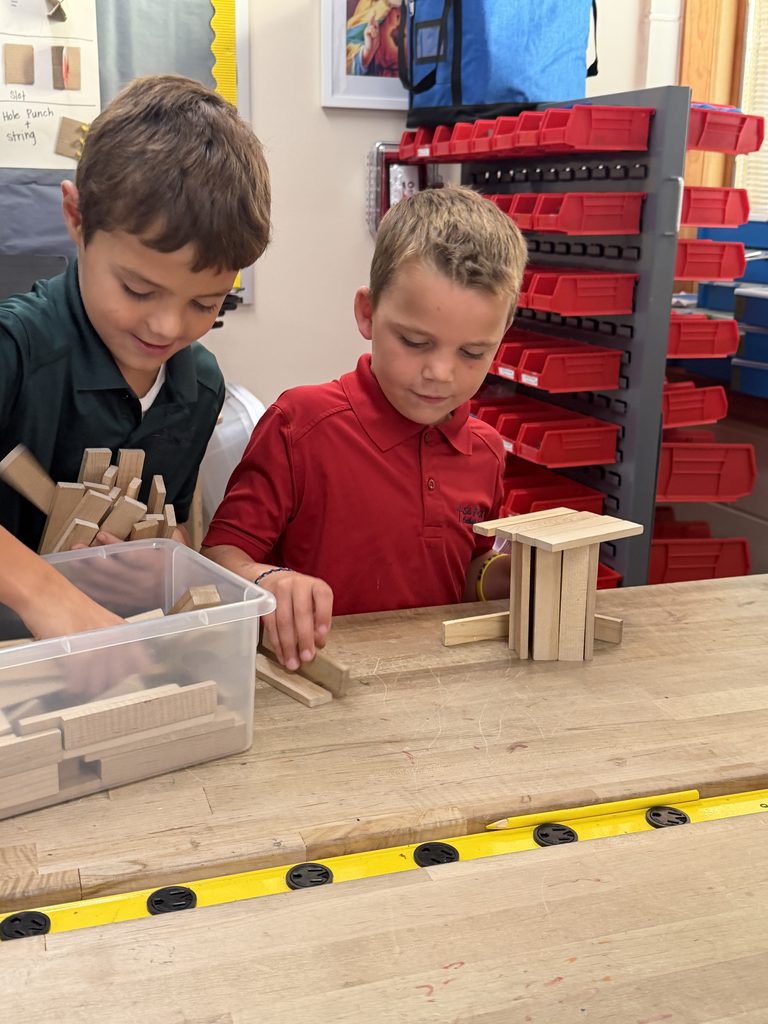
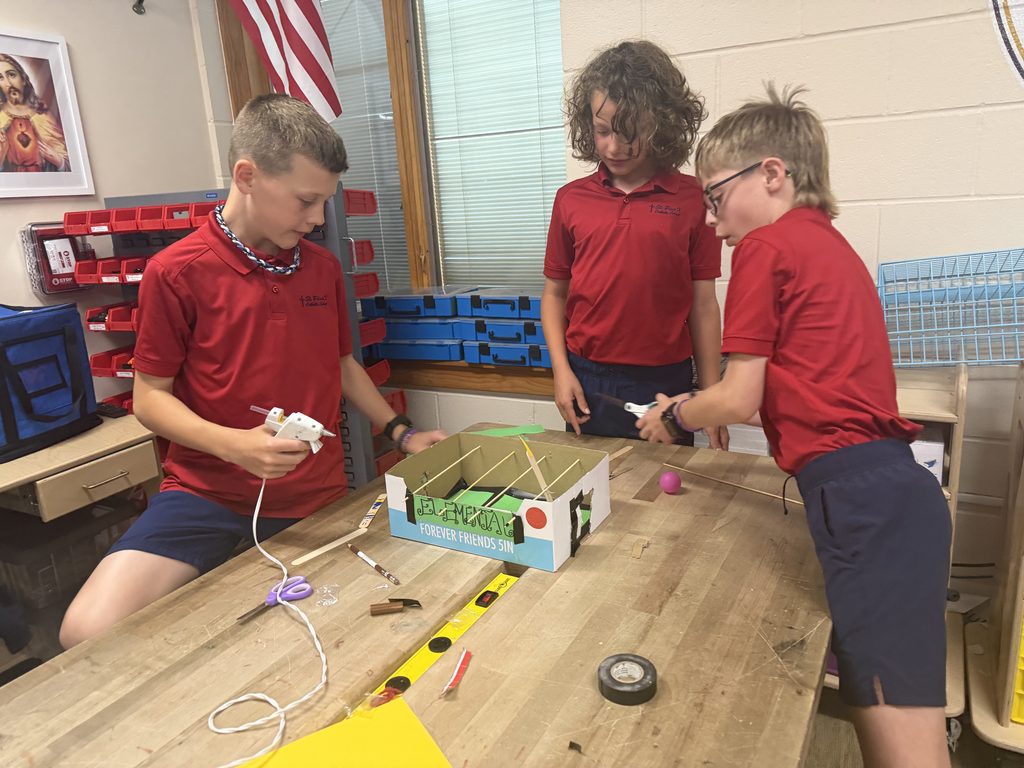
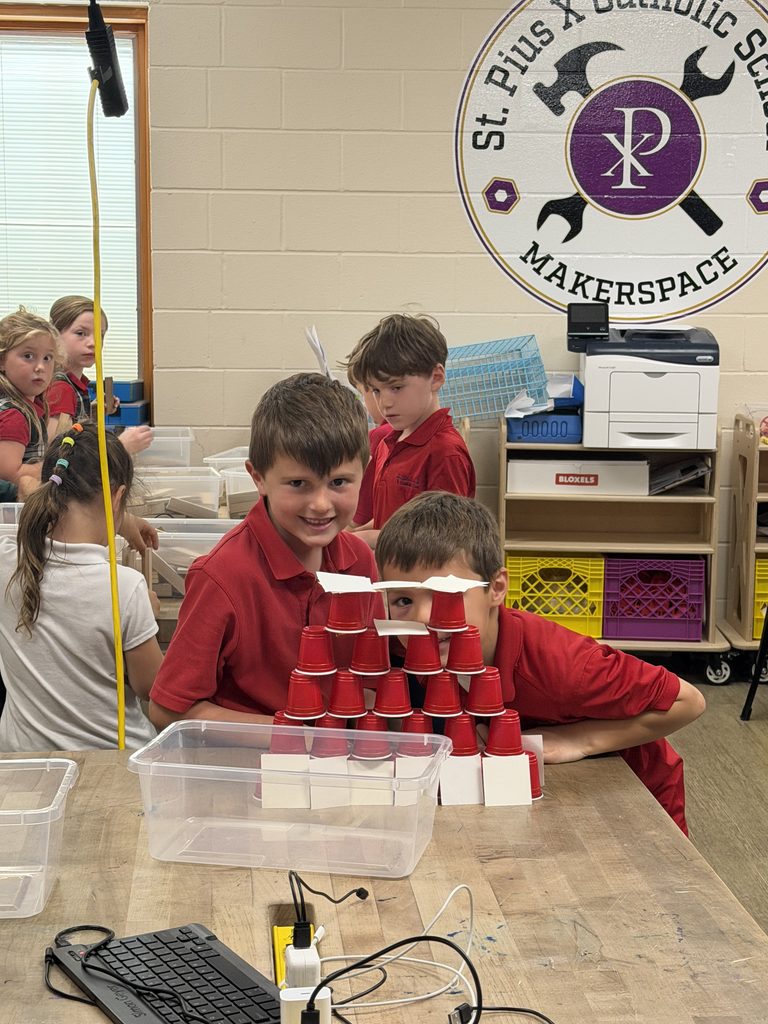
At Saint Pius X Catholic School, learning goes beyond textbooks, worksheets, and traditional classroom instruction. Through the school’s dedicated makerspace, students have opportunities to explore concepts, solve problems, and discover their strengths through meaningful hands-on experiences.
Whether students are building physical models to better understand mathematical concepts or programming robots to bring coding principles to life, the makerspace is helping students make connections between what they learn in the classroom and how those concepts apply in the real world.
Perhaps most importantly, the makerspace is providing students with something every learner deserves: an opportunity to experience success in a way that works for them.
A Different Way to Succeed
Every student learns differently. While traditional classroom instruction works well for many students, others thrive when they have opportunities to move, build, experiment, and interact with the concepts they are learning.
At Saint Pius X Catholic School, the makerspace provides an environment where students who may struggle with traditional assignments can demonstrate their understanding in new ways.
As educator Michael Raymond shared:
“Honestly, the biggest thing it does is give kids a completely different way to succeed.”
Rather than simply reading about scientific concepts or completing mathematical equations on paper, students can work with actual tools and materials to bring their learning to life.
“Once they get their hands on actual tools and materials, they just flourish. It takes abstract ideas off the page and turns them into something they can physically hold, test, and tweak.”
This approach also helps students develop a healthier relationship with mistakes. In a traditional classroom, an incorrect answer can sometimes feel like failure. In the makerspace, mistakes become opportunities to evaluate, redesign, and improve.
Students begin to understand that learning is not always about getting something right the first time. Sometimes, the most meaningful learning happens when something does not work as expected.
When Math Finally Makes Sense
One particularly meaningful experience at Saint Pius X demonstrates how powerful hands-on learning can be for students who struggle to connect with traditional instruction.
During a mathematics unit focused on calculating volume, one student was having difficulty completing paper-based assignments. Although he was putting forth effort, the numbers and formulas on the worksheet felt disconnected from anything tangible.
Rather than approaching the concept through another worksheet, the educator connected the math unit to a makerspace project.
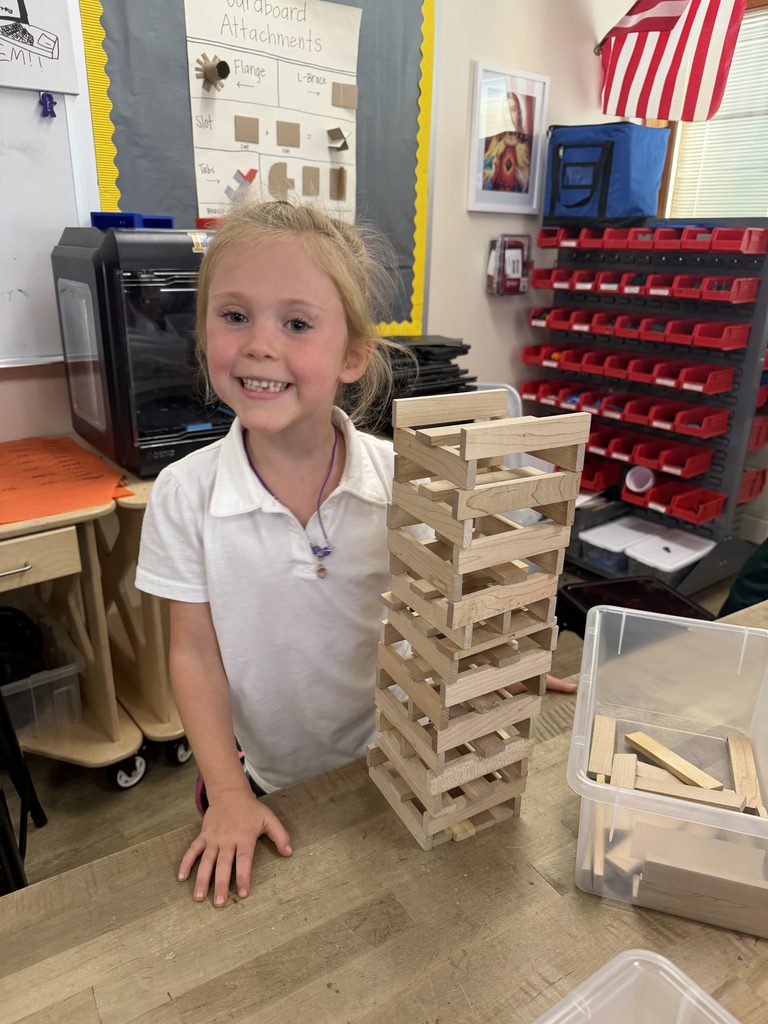
Students were challenged to design and build an object and then calculate its volume using their finished creations.
For this student, the experience changed everything.
He picked up a ruler, measured the dimensions of the object he had built, recorded his measurements, and applied the same mathematical formula that had previously been challenging.
The difference was not the math itself. It was the opportunity to understand why the math mattered.
As the Mr. Raymond explained:
“In his head, he wasn’t ‘doing math.’ He was building something with his hands, and the math was just a secondary tool he needed to finish the job.”
This moment demonstrates one of the greatest benefits of makerspace learning. When students can see, touch, and interact with academic concepts, those concepts often become more meaningful and accessible.
The student was not simply completing an assignment. He was discovering that he was capable of doing something he previously found difficult.
Bringing Coding Off the Screen
The makerspace has also transformed how STEM concepts are taught at Saint Pius X Catholic School.
Coding, for example, can be challenging when students are first introduced to abstract programming concepts through screens, text, and unfamiliar syntax.
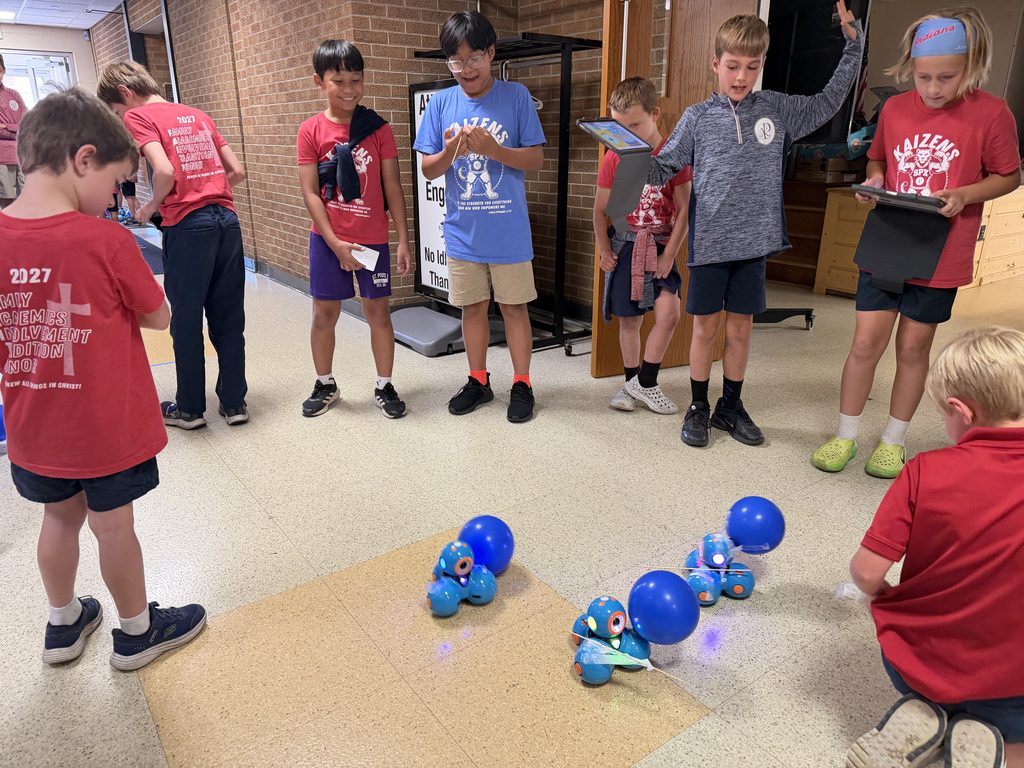
The makerspace allows educators to take those same concepts and turn them into interactive experiences using tools such as Dash robots.
Instead of simply explaining conditional statements, commonly called “if-then” statements, students can program a robot to respond to its surroundings.
For example, students might program a Dash robot to turn around when it detects an obstacle.
Suddenly, the logic behind the code becomes something students can observe in real time.
“Abstract logic isn’t just lines of text; it’s a physical action they can see, hear, and interact with,” the Mr. Raymond explained.
This approach changes the way students respond when their code does not work as expected.
Rather than becoming discouraged by an error message, students can watch their robot, identify what went wrong, adjust their programming, and test it again.
Through this process, students are developing more than coding skills. They are practicing critical thinking, perseverance, and the ability to evaluate and improve their own work.
As Mr. Raymond shared, students “stop looking for the ‘one right answer’ on a worksheet and start thinking like real problem-solvers.”
Building Confidence Through Hands-On Learning
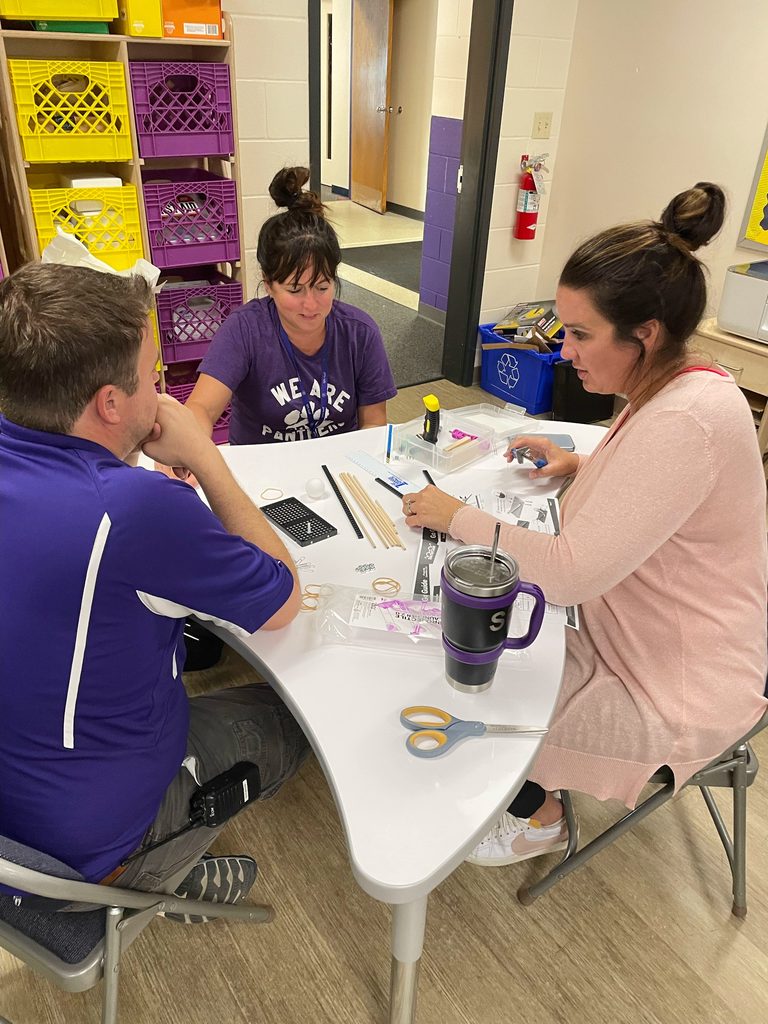
The impact of the Saint Pius X makerspace extends well beyond mathematics, coding, and STEM instruction.
St. Pius X educator Katie Pappas shared, “Our makerspace lab has allowed our students to become innovative learners and confident problem solvers. They have learned the design process and complete challenges with confidence. Before our students would want to be told each step and were terrified to fail. Now they know that planning, tinkering, and amending plans is all part of the process. It has made them much more confident engineers and problem solvers. Students come into school in the morning eager to hear what STEM challenge they will have in class.”
Students are learning that challenges are opportunities to grow, that mistakes are a natural part of the process, and that there can be multiple approaches to solving a problem.
They are also discovering that success does not always look the same for every student.
For a student who struggles to complete a worksheet, successfully designing and measuring a physical object can build confidence. For a student who finds coding frustrating, watching a robot respond to their programming can create a moment of understanding and excitement.
These experiences help students recognize their own abilities while building skills that will serve them throughout their education and beyond.
Making Learning Meaningful for Every Student
At 1st Maker Space, we believe hands-on learning creates opportunities for students to discover what they are capable of achieving.
The makerspace at Saint Pius X Catholic School demonstrates how a thoughtfully designed learning environment can transform abstract concepts into meaningful experiences, helping students develop confidence, creativity, and real-world problem-solving skills.
Through building, experimenting, programming, and redesigning, students are discovering that learning is not limited to what happens at a desk.
Sometimes, all it takes is the opportunity to make something for a student to realize just how much they can accomplish.